

This month, Build Health International concluded its five-year program with the Global Fund Project BOXER, an initiative that began as a response to COVID-19. Through technical capacity building, the program eventually increased access to medical oxygen, saving millions of patient lives.
Director of Medical Oxygen Education and Training Andrew Johnston explores the key lessons learned from training.
Resilient healthcare systems start with reliable access to medical oxygen. Yet, despite its importance, medical oxygen remains out of reach for many patients in resource-constrained settings.
There is no doubt that better oxygen plant maintenance saves lives. In early 2022, BHI began to address the disparities in oxygen access by establishing a training program on medical oxygen systems focused on pressure swing adsorption (PSA) plants and oxygen distribution systems. The purpose of this effort has been to equip the engineers and technicians who maintain PSA plants and health systems managers who support them with the knowledge and skills to ensure access to medical oxygen.
BHI’s team of biomedical engineers and global health leaders delivered their first oxygen training to participants in Maseru, Lesotho in April 2022. Since that pivotal moment, BHI has trained more than 2,667 biomedical engineers, technicians, and health professionals and has supported 41 countries, including Liberia, Nepal, Mali, Tunisia, Laos, Niger, Democratic Republic of Congo, Kyrgyzstan, Central African Republic, Sudan, East Timor, Cambodia, and Montenegro.
Andrew Johnston serves as BHI’s director of medical oxygen education and training. To support BHI’s efforts, he has participated in 87 training sessions in 31 countries. He stresses the importance of a holistic approach to strengthening healthcare systems, where practical maintenance and safety training are combined with health systems strengthening including management support, infrastructure improvements, and partnership building to increase the chances of success.

1. Keep the training as practical as possible.
Technical knowledge about oxygen plant components and maintenance is important. But hands-on experience is absolutely crucial. Over time, BHI training has evolved to be more hands-on, allowing trainees to put the skills that they have acquired in the classroom into practice. Practical sessions allow trainees to develop the skills they need to implement the lessons of the training right away, bridging the gap between “knowing” and “doing.”
The most important day of the training is the first day that participants are back at work. Because it is when trainees have the greatest likelihood of implementing improved maintenance techniques.
2. Safety is key!
Safety training is an important part of oxygen maintenance and management training. PSA plants are a powerful series of machines, and compressed medical oxygen needs to be respected. Engineers, technicians, and PSA plant operators need to know how to keep themselves and those around them safe. Equally, managers need to keep their teams safe by establishing systems, installing infrastructure, and providing safety gear. Due to the risks associated with medical oxygen generation and delivery systems, such as fire, musculoskeletal injuries from mishandling cylinders, and falling cylinders turning into projectiles, emphasis on proper safety procedures is essential. Within resource-constrained settings, there is an increased risk of accidents and injuries. BHI has prepared participants to mitigate these risks through emphasis on safety.
3. Management matters.
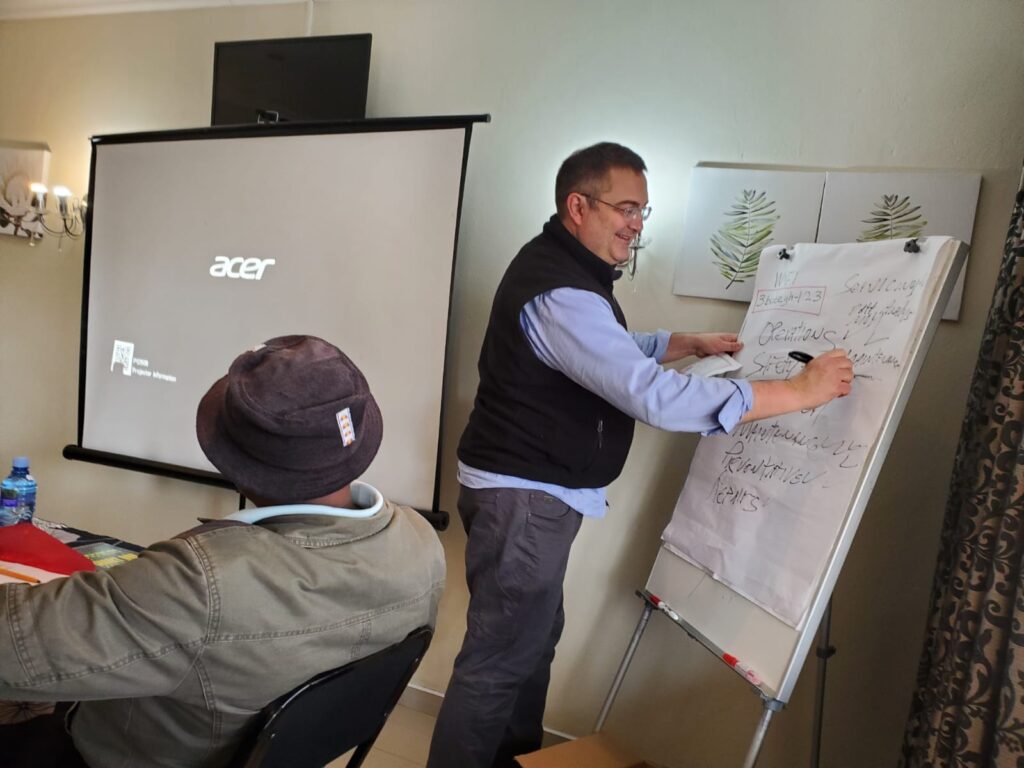
Technical training for maintenance teams is fundamental. However, it is also necessary to equip health systems management officials with the skills and tools that they need to support the safe operation and maintenance of PSA plants. Hospital directors, health administrators, and ministry of health leadership can make all the difference.
In many countries, health sector officials have not had quality opportunities to learn about managing biomedical equipment maintenance. BHI has strengthened the link between the maintenance teams and the management teams.
Because when managers are equipped with better information, such as understanding summary maintenance data and better management of their supply chain, warranties, and service agreements, they will save money, thus, increasing the working life of their PSA plants. This engagement also helps maintenance teams to feel more valued and supported.
Managers who engage with the material save money by producing more oxygen internally instead of buying it on the market. They also learn how to develop an operating budget for their PSA plant that they can use to advocate for resources within their own ministry of health contacts or with potential funders.
In short, specialized management training equips these leaders to make informed decisions about strengthening oxygen access and to effectively support biomedical personnel who directly oversee and maintain PSA plants.
4. Electrical infrastructure is the foundation of this work.
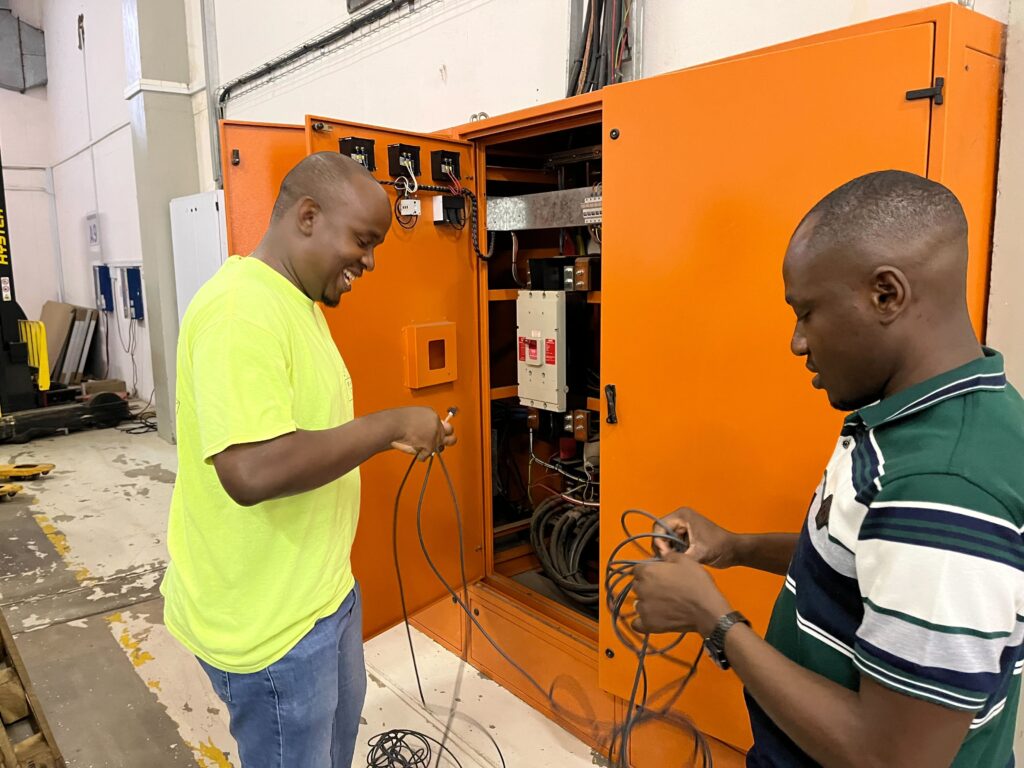
Reliable, stable, and cost effective electrical power is fundamental to ensuring oxygen access. PSA plants and other lifesaving medical equipment cannot operate without it. Every PSA plant assessment that BHI has conducted at a hospital includes an assessment of the existing electrical power system and our recommendations often include improvements to the system.
All of the training includes an electrical component. The electrical power to run a PSA plant can come from the grid, from generators, or from solar systems. Increasingly, partners are finding that solar power meets their needs by providing consistent, stable electricity at low cost compared to grid power or electrical generators powered by diesel fuel.

5. Partnerships Are Powerful
Achieving the goal of sustainable oxygen access requires working in partnership. The countries that make the most progress are the ones where local engineers and technicians partner with BHI when in-country and remain in contact after BHI leaves to ask questions, share ideas, and maintain momentum. Beyond the biomedical sector, partnerships with clinicians and public health experts creates the opportunity for collaborative, mutually reinforcing interventions. Partnerships with the national government through ministries of health are fundamental to making lasting progress. At their best, partnerships with nonprofits can amplify efforts and expedite the work that remains. Furthermore, collaborations with for-profit organizations in the medical oxygen sector enhance mutual information sharing and skills exchange that can shape markets and serve the purpose of increasing oxygen access.

About the Author
Andrew Johnston is the director of medical oxygen training and education at Build Health International.