
Senior Advisor for Strategic Initiatives Natalie Parke reflects on the anniversary of the dissolving of USAID and what it signifies for Haiti, global health, and the work ahead.
It’s hard to believe that it’s been a year since I packed up my office at USAID. That afternoon, I was mostly focused on practical things, like making sure I rescued my desk’s chocolate stash and hugging colleagues. What I hadn’t anticipated was the “clap out”–the building exit lined with colleagues, partners, and friends of USAID, some in tears, others smiling bravely, handmade signs lifted overhead. I felt simultaneously grateful and humbled. And unmoored.
The author’s USAID Staff Headshot
When I accepted the role of USAID’s Haiti Program Advisor four years earlier, I felt as though I had landed. I often got goosebumps crossing Pennsylvania Avenue and walking into the Ronald Reagan Building’s atrium, the flags of the world suspended overhead.
I did hold USAID on a pedestal, yet, I and many of my colleagues were clear-eyed about the Agency’s limitations. Progress toward shifting power and resources to local organizations often felt incremental to the point of frustrating. Bureaucracy slowed good ideas. Politics shaped priorities. Still, I believed in the work, and I believed we were trying, however imperfectly, to improve the institution from within. That’s part of why the abrupt and undignified termination felt so disorienting.
More than losing a job, it felt as though we were watching the United States step back from its commitments to human rights, peace, democratic institutions, and ending poverty. That perception triggered my waves of grief.
I also worried about my Haitian colleagues, some of whom had devoted decades to the Agency. They remained in Haiti when political transitions and natural disasters drove many equally educated, qualified individuals out of the country. They believed in our shared mission and in their country’s future. Most of all, I worried about the communities that would feel the immediate impact of shuttered programs, with projects paused midstream, partnerships dissolved, services cut off.
It’s been an exhausting year. I’m still sad. But I’ve also been reminded that an institution is not the same thing as a community. Even as U.S. government commitments appear to have shifted, the broader ecosystem of people working across borders has not disappeared. If anything, I’ve seen renewed creativity.
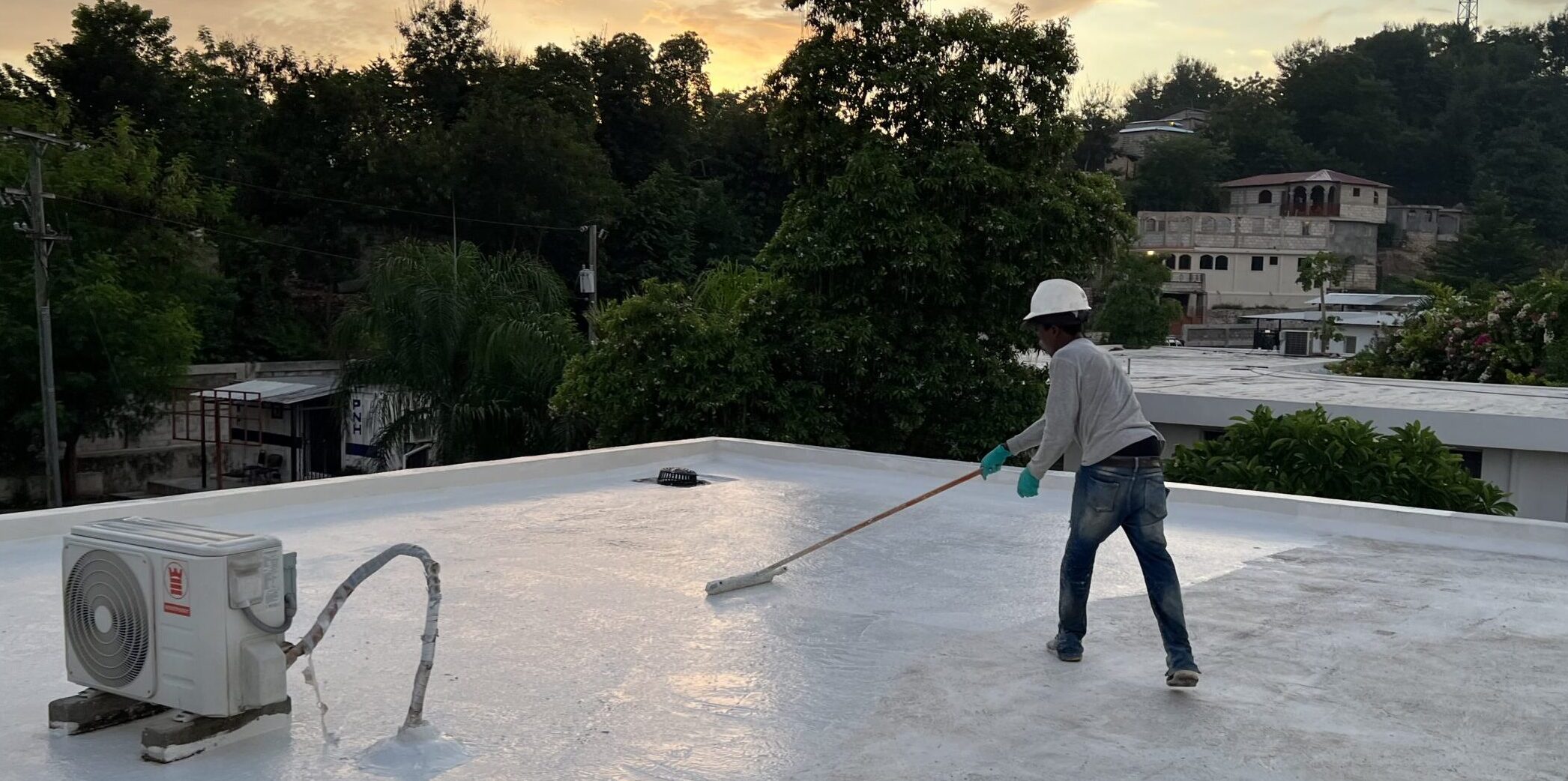
I see that every day at Build Health International (BHI), where I now work closely with leadership to oversee strategic initiatives. BHI designs, builds, and equips health infrastructure in low-resource settings. These projects are often complex, time-consuming, and capital-intensive–the kind of initiatives that were often a difficult fit within USAID’s risk calculus. BHI, by contrast, leans into complexity. My new colleagues take on projects that require patience, imagination, resourcefulness, and deep local partnership.
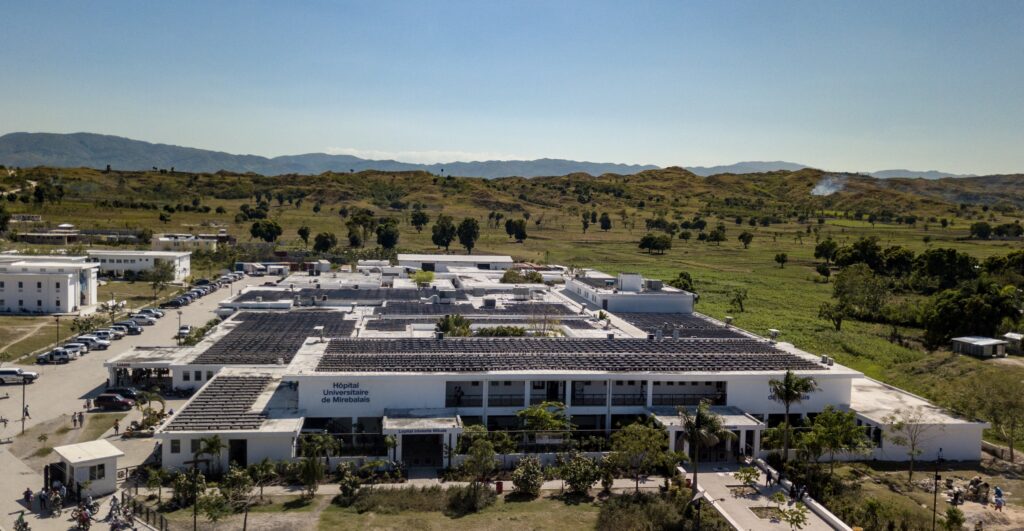
Aerial view of Hôpital Universitaire de Mirebalais in Haiti.
Their commitment and success reminds me that progress doesn’t belong to any single agency or funding stream. It depends on people willing to wrestle with hard problems and stay at the table. On a personal level, I’m grateful that this work still connects me to Haiti, a country that continues to shape my sense of purpose. BHI’s long-standing commitment there allows that relationship to endure.
I still hope that USAID reemerges someday in a form that reflects what we learned—the urgency of local ownership, the need for humility, the value of long-term horizons. And I hope that the U.S. government can rebuild its credibility as a principled and reliable partner in the world. But in the meantime, I take heart in the determination I see in colleagues across this field.
A year ago, I walked out of a building feeling unmoored. Today, I feel rooted again, just in a different place.
Natalie Parke joined Build Health International as a senior advisor for strategic initiatives after more than two decades working in international development, including serving at USAID until its closure last year. She first worked in Haiti during the 2010 earthquake response and has maintained a deep professional and personal connection to the country ever since.