
Director of Medical Oxygen Education and Training Andrew Johnston explores the key lessons from BHI’s training program
Resilient healthcare systems start with reliable access to medical oxygen. Yet, despite its importance, medical oxygen remains out of reach for many patients in resource-constrained settings throughout the world.
In early 2022, Build Health International (BHI) began to address this disparity by establishing a comprehensive training program that would raise awareness around maintaining and repairing oxygen systems to better serve patients. BHI’s team of biomedical engineers and global health leaders delivered their first oxygen training to participants in Maseru, Lesotho in April 2022. Since that pivotal moment, BHI has trained more than 1,400 biomedical engineers, technicians, and health professionals. The team has traveled to 25 countries, including contexts as diverse as Liberia, Nepal, Mali, Tunisia, Laos, Democratic Republic of Congo, Kyrgyzstan, and Cambodia.
Andrew Johnston, who serves as BHI’s director of medical oxygen education and training, has overseen many of the maintenance, management, and post-commissioning training initiatives. To support BHI’s efforts, he has participated in 49 trainings in 21 countries.
Andrew stresses the importance of a holistic approach to strengthening healthcare systems, where practical training, safety, management support, infrastructure, and partnerships work together to improve access to life-saving oxygen for patients across the world. These are the five lessons that he and BHI’s Biomedical Engineering and Medical Oxygen Team have learned about their work.

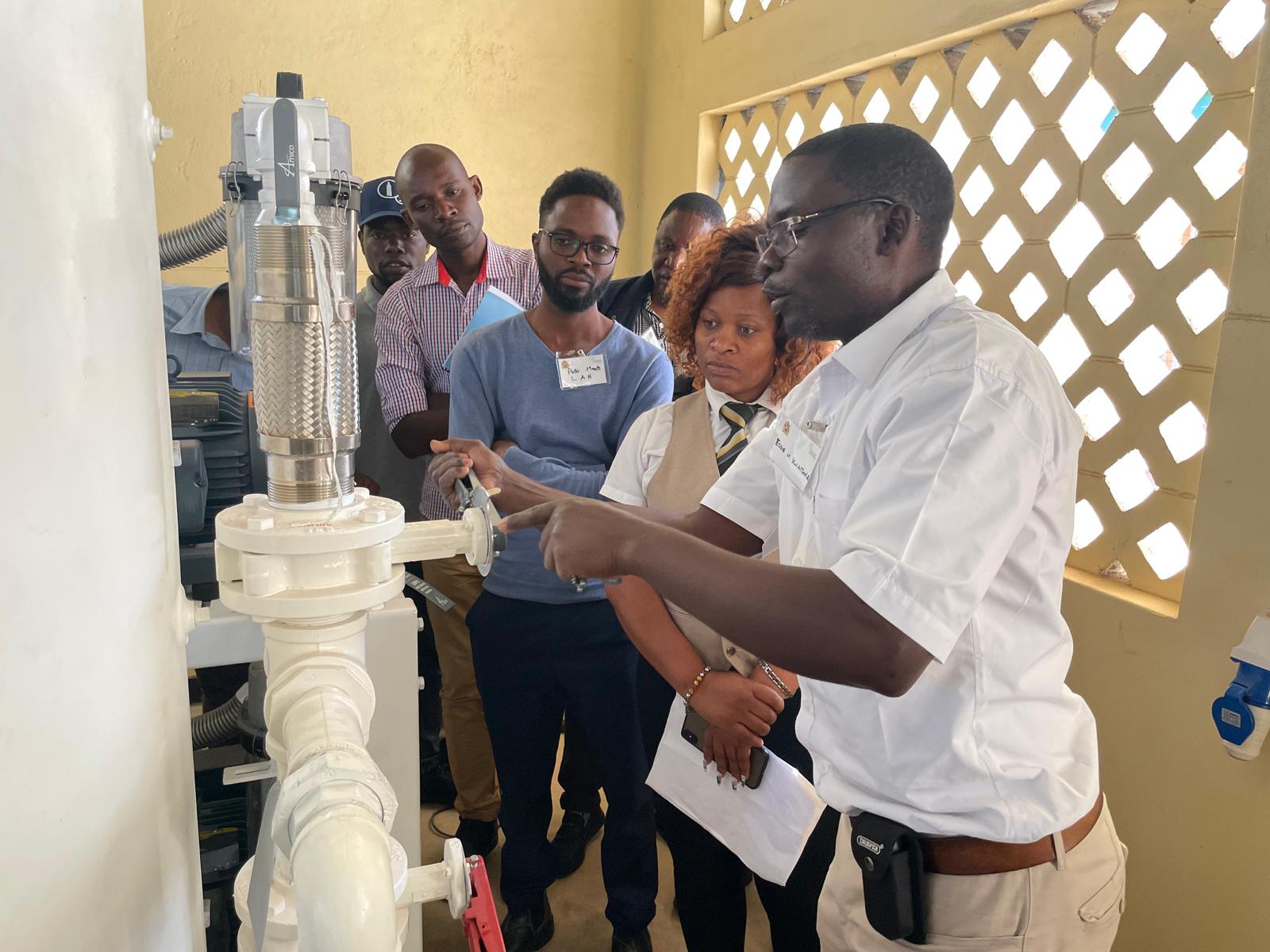
1. Practical Training Works
While technical knowledge about oxygen plant components and maintenance is important, tactile experience with practicing pressure swing adsorption (PSA) plant repairs is absolutely crucial. Over time, BHI training has evolved to be more hands-on, allowing trainees to put the skills that they have acquired in the classroom into practice. Practical sessions allow trainees to develop the skills they need to handle real-world challenges, leading to more effective operation and maintenance of oxygen systems in healthcare settings. To date, about 90% of trainees demonstrate knowledge acquisition from their pre-test to post-test scores. We have seen knowledge acquisition across trainings to be 31%.
2. Safety Is Key
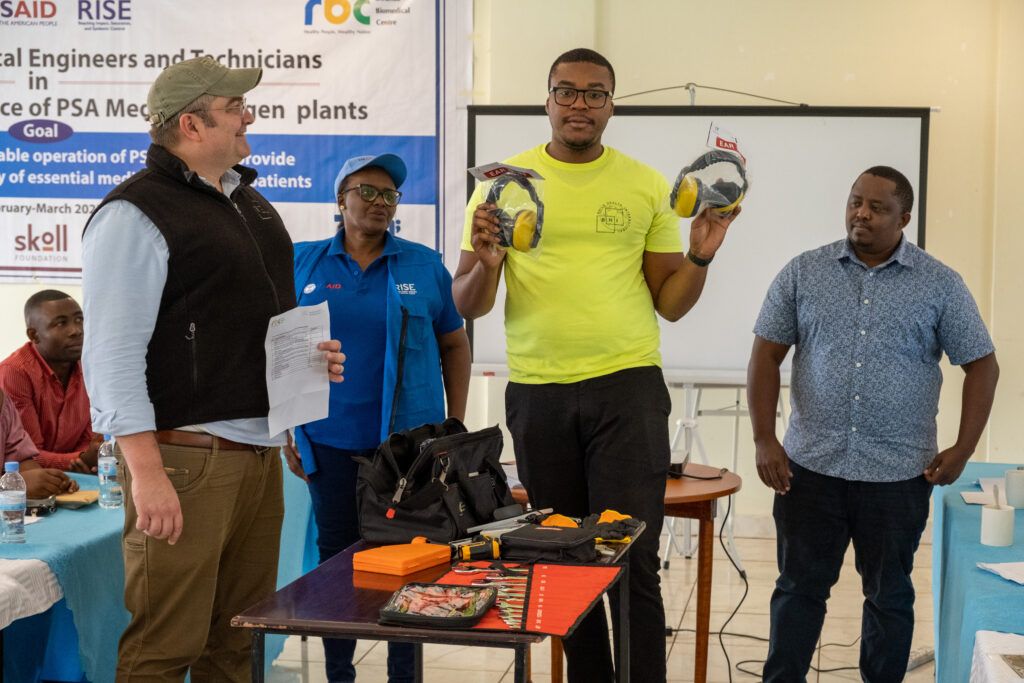
Safety is at the core of oxygen education and training, especially in facilities that may have inadequate safety gear or lack it altogether. Due to the risks associated with medical oxygen generation and delivery systems, including fire, musculoskeletal injuries from mishandling cylinders, and falling cylinders turning into projectiles, emphasis on proper safety procedures is essential. During a one-day safety training day, participants can understand and implement safe practices that mitigate these dangers.
3. Hospital Administrators Matter
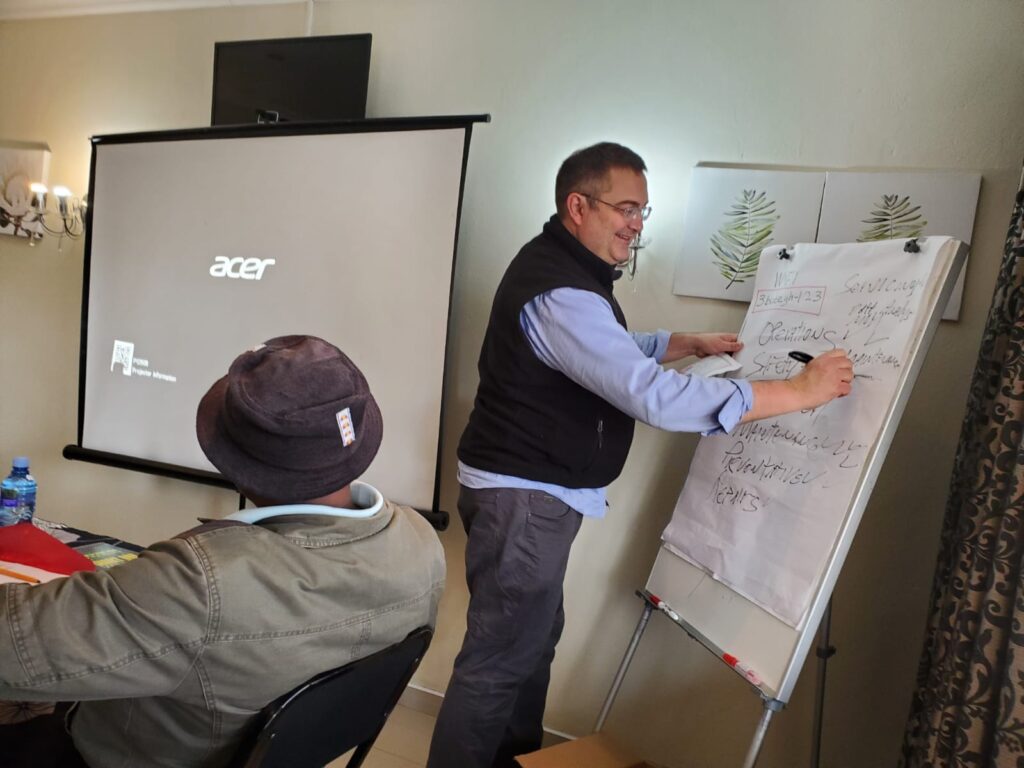
While technical training for maintenance teams is fundamental, it is also necessary to equip health systems management officials with the skills and tools that they need to support the safe operation and maintenance of PSA plants. Hospital directors and health administrators, who are often responsible for making decisions about PSA plant operations, need a strong foundational understanding of these systems to avoid budget shortfalls when purchasing cylinders and other equipment. Specialized management training equips these leaders to make informed decisions about strengthening oxygen access and to effectively support biomedical personnel who directly oversee and maintain PSA plants.
4. Don’t Overlook Electricity
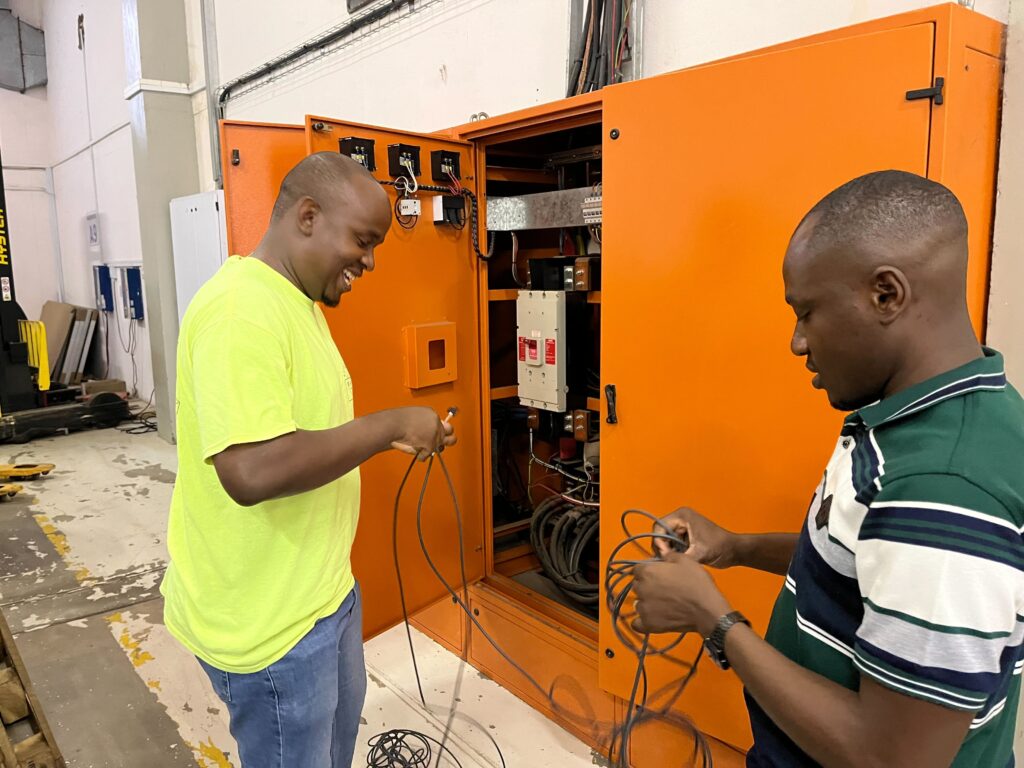
PSA plants cannot operate without reliable and cost-effective access to electrical power. Electrical infrastructure, from the grid, generators, and solar systems, is essential to the function of all medical equipment, including oxygen machines. Reliable electrical power is essential for sustaining oxygen access in healthcare settings. Understanding the strategic importance of electrical infrastructure leads to comprehensive assessments and improvements in electrical power systems to prepare for the arrival of medical oxygen generators.
5. Partnerships Are Powerful
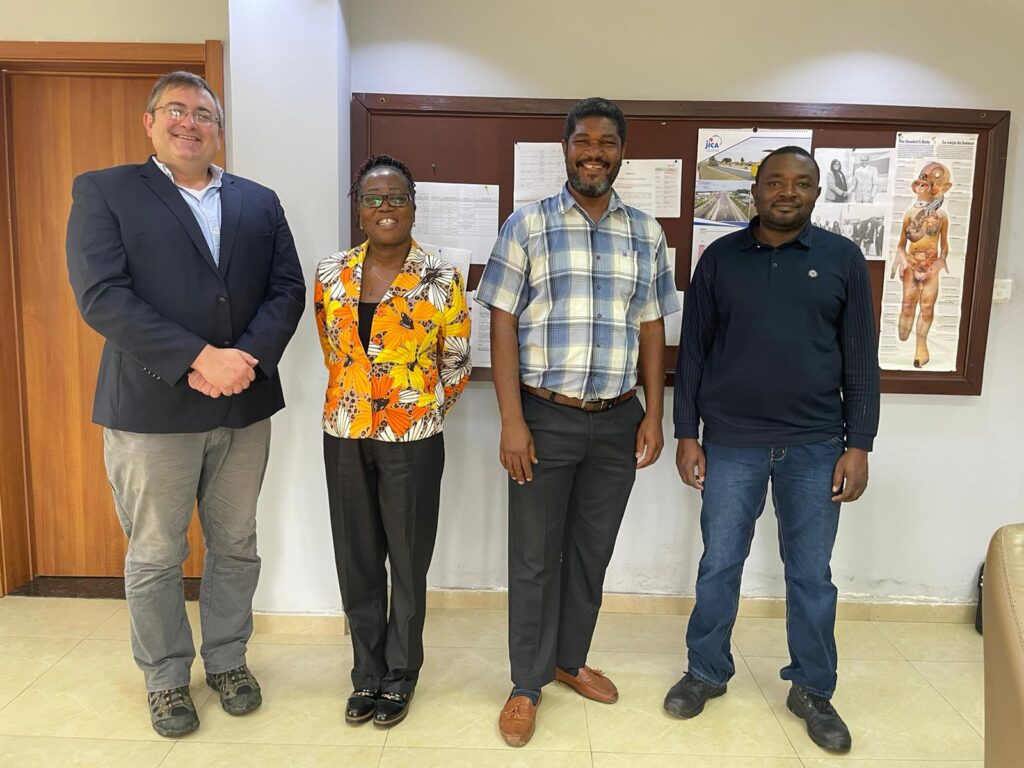
Partnerships are key to success in improving oxygen access. Collaborations with ministries of health, international organizations like the Clinton Health Access Initiative (CHAI) and Partners In Health, as well as local governments and ministries of health, provide invaluable logistics support and local expertise about the context. These partnerships help facilitate training, overcome barriers, and ensure sustainability by fostering long-term relationships and ongoing engagement.

About the Author
Andrew Johnston is the director of medical oxygen training and education at Build Health International.