
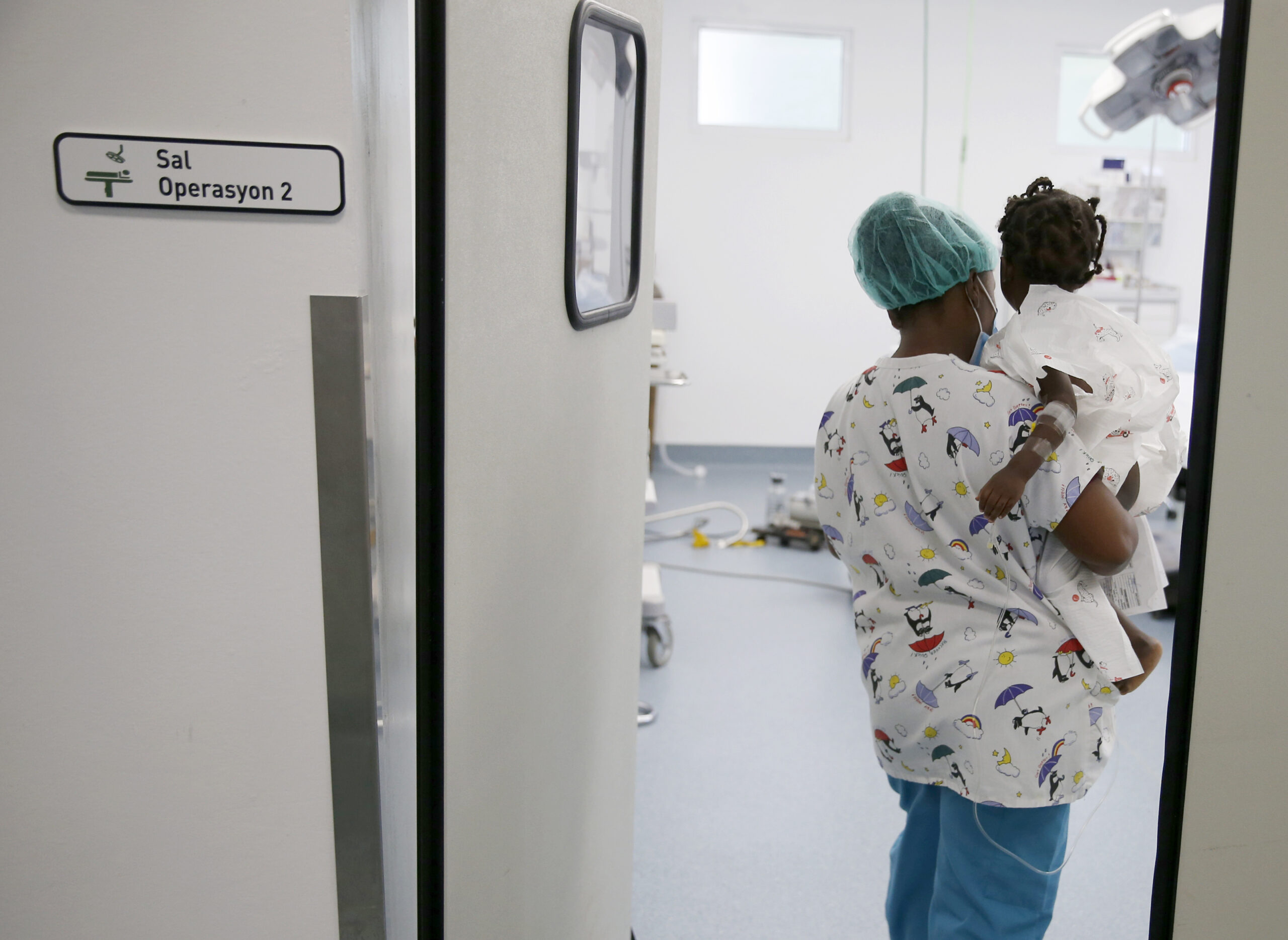
Strong healthcare infrastructure ensures that frontline health workers have the tools and support they need to provide equitable, dignified, and life-saving care.
World Health Worker Week serves as a reminder of the dedication and commitment of healthcare professionals across the globe. These individuals work tirelessly to save lives, often in challenging conditions, such as lack of stable power sources, outdated or malfunctioning medical equipment, and other disparities. Their efforts can only go so far without one crucial element: infrastructure.
Healthcare infrastructure—the physical and organizational foundation of medical services—determines the quality, accessibility, and efficiency of healthcare delivery. Without well-equipped hospitals, reliable electricity, clean water, and efficient supply chains, even the most skilled health workers could struggle to deliver essential services. In low-resource settings, where Build Health International (BHI) prioritizes its work, strong infrastructure is essential for delivering quality healthcare.
A hospital without consistent electricity cannot safely perform surgeries or store life-saving medications. A clinic without clean water puts both patients and providers at risk of infection. A laboratory without modern equipment delays diagnoses, making it harder to control disease outbreaks. These gaps in infrastructure directly impact patient outcomes and health workers’ ability to provide quality care.
For example, BHI equips hospitals with solar power systems, ensuring that critical medical procedures are not interrupted by power outages. BHI also supports construction and renovation of facilities with proper ventilation, sterile environments, and strong structures that can withstand extreme weather conditions. At this time, BHI, alongside Partners In Health Sierra Leone, is constructing the Maternal Center of Excellence (MCOE) in Kono, Sierra Leone, which will provide critical care to improve maternal health outcomes in the region.
These improvements are not just about creating better buildings—they create and sustain a reliable and dignified healthcare experience for both patients and health workers. Beyond physical structures, healthcare infrastructure includes reliable supply chains for medical equipment and essential medicines. Without a steady flow of supplies, even the best hospitals cannot function effectively. Strengthening these systems means fewer disruptions in patient care, faster response times in emergencies, and a more robust healthcare network overall.
These improvements are not just about creating better buildings—they create and sustain a reliable and dignified healthcare experience for both patients and health workers. As Dr. Regan Marsh, BHI Board Member, explains:
“Planning and building health infrastructure is an essential component of delivering on our mission for global health equity. Thoughtfully designed and built spaces are critical to providing high quality care for a range of health conditions from the care of pregnant women and their babies at time of delivery, to trauma patients after accidents, to adults with cancer and heart disease, and to managing Covid and any emerging diseases. Having safe, dignified spaces allows us as doctors to provide the essential care for patients and achieve the best possible outcomes.”
Even the most advanced hospitals and clinics are only as effective as the people who staff them. Buildings alone do not save lives—healthcare workers do. Doctors, nurses, technicians, and support staff bring these spaces to life, using their skills and dedication to deliver quality care. Without a well-trained and supported workforce, infrastructure improvements would be deemed ineffective. Partnering with local nonprofit organizations, governmental bodies, and ministries of health is essential to these capacity building efforts. Investing in sustainable infrastructure means investing in health workers themselves. Well-designed facilities improve working conditions, reduce burnout, and equip medical professionals to do their jobs effectively. It also builds trust within communities, ensuring that people seek care when they need it most.
At BHI, we recognize that healthcare infrastructure is more than bricks, beams, and concrete—it’s the foundation for equitable, dignified care. As we mark World Health Worker Week, we not only celebrate those on the frontlines but also commit to strengthening the systems that support them. Because when healthcare workers have the tools they need, they can save more lives.